Darknet Markets 2026:
The dark web is part of the deep web but is built on darknets: overlay networks that sit on the internet but which can't be accessed without special tools or software like Tor. Tor is an anonymizing software tool that stands for The Onion Router — you can use the Tor network via Tor Browser.
| Darknet Market | Established | Total Listings | Link |
|---|---|---|---|
| TorZon Market | 2022 | 140+ | Onion Link |
| Nexus Market | 2024 | 600+ | Onion Link |
| Abacus Market | 2022 | 100+ | Onion Link |
| Ares | 2026 | 100+ | Onion Link |
| Cocorico | 2023 | 110+ | Onion Link |
Updated 2026-09-12
How Decentralization Makes Darknet Trade Private and Secure
The operational model of darknet markets is fundamentally decentralized, distributing authority and data across a peer-to-peer network rather than concentrating it in a single, vulnerable server. This architecture provides inherent resilience, making the marketplace resistant to takedowns by external entities. If one node or a group of nodes is compromised, the network can reroute and maintain functionality, ensuring continuous service availability for its users.
This decentralization is practically enabled by onion routing through networks like Tor. Accessing a market via its .onion address means that a user's connection is encrypted and bounced through multiple volunteer relays globally, obscuring the origin and destination of the traffic. This creates a layer of network anonymity that is foundational for all subsequent interactions. The market itself exists as a hidden service, its physical location concealed from both users and casual observers.
The privacy established by the network layer is then extended to the financial transaction through the use of cryptocurrencies like Bitcoin or Monero. These currencies facilitate pseudonymous value transfer without the need for traditional financial intermediaries such as banks. When combined with careful operational security by the user, this creates a financial trail that is exceedingly difficult to link to a real-world identity. The transaction process typically involves:
- Escrow services held by the market platform, which protect the buyer by withholding payment until the goods are received.
- Direct deals between trusted parties, eliminating the escrow agent once a reputation is established.
- Multisignature wallets, requiring multiple keys to authorize a transaction, further decentralizing trust.
This combination of a decentralized network structure, anonymizing routing protocols, and cryptocurrency-based finance results in a trading environment that is private and secure by design. It empowers individuals to engage in transactions with a significantly reduced risk of exposure, fostering a ecosystem where trade is governed by reputation systems and cryptographic proof rather than physical proximity or institutional oversight.
How Encryption and Crypto Make Darknet Deals Safe
The operational security of darknet markets is fundamentally built on a dual-layer technological foundation: strong encryption for communication and cryptocurrency transactions for financial exchange. This combination creates a closed, secure environment where privacy is the default state, not an optional feature.
All communications between buyers and sellers, as well as with the market platform itself, are protected by end-to-end encryption. This means messages are scrambled on the sender's device and only decipherable by the intended recipient. Common tools include:
- PGP (Pretty Good Privacy) encryption for securing order details and addresses.
- Encrypted messaging systems built into the marketplaces.
The financial layer relies on cryptocurrencies like Bitcoin and Monero. These digital currencies provide a significant degree of financial anonymity by operating on decentralized ledgers. While Bitcoin transactions are public, they are not directly tied to real-world identities. More privacy-focused coins like Monero obscure transaction details completely. Markets use a multi-signature escrow system where funds are held by the market until the buyer confirms receipt, protecting both parties from fraud. This removes the need for traditional banking and its associated oversight, making the financial aspect of the trade as private as the communication.
The result is a self-contained ecosystem where trust is managed through technology rather than personal interaction. The encryption guarantees private talk, and the cryptocurrency enables private payment. This technical framework allows darknet markets to function as efficient, secure platforms for the discreet exchange of goods, minimizing external risks and operational vulnerabilities for their users.
How P2P Networks Make Buying Drugs Safer and More Direct
The architecture of darknet markets is fundamentally peer-to-peer (P2P). This model removes traditional intermediaries, such as street dealers and cartel distribution chains, creating a more efficient and direct transaction between producer and consumer. The elimination of these middlemen reduces points of failure and potential violence associated with territorial disputes in physical drug distribution. It also allows vendors to operate with lower overhead costs, which can translate to competitive pricing and higher purity products for the buyer, as verified by community review systems.
This direct connection is facilitated by onion services accessed via the Tor network, which provide a secure meeting point. Transactions are secured with end-to-end encryption, ensuring that communication and deal terms remain private between the two parties. The use of cryptocurrencies like Bitcoin or Monero completes the financial loop, offering a level of transactional privacy unattainable in the traditional banking system. Together, these technologies create a self-contained ecosystem where trust is built through cryptographic proof and community feedback rather than through hierarchical, violence-enforced structures.
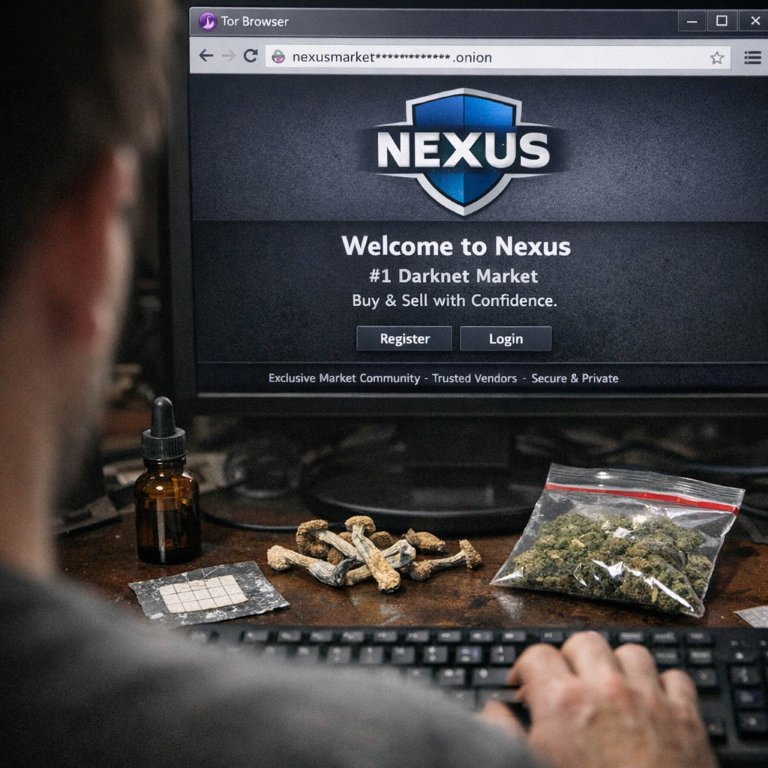
A Wide Range of Products and Helpful Reviews on the Darknet
The product diversity on darknet markets is a direct function of their decentralized and global architecture. Unlike geographically constrained physical markets, these platforms aggregate listings from vendors worldwide, creating a catalog that spans common substances, prescription medications, psychedelics, and research chemicals with unprecedented variety. This selection is systematically organized with search functions, filters by category, and detailed product descriptions, mirroring the interface of mainstream e-commerce.
This structure is stabilized by formalized user review systems. Every transaction can be rated and reviewed, creating a transparent feedback loop that directly influences vendor reputation. Key components include:
- Detailed ratings for product quality, shipping speed, and stealth.
- Verification mechanisms to confirm the reviewer actually made a purchase.
- Textual reviews that often include photographic evidence of the received product.
The cumulative feedback acts as a powerful self-regulating mechanism. Vendors with consistently high ratings and positive reviews gain prominence and buyer trust, while those with poor feedback are marginalized. This system effectively reduces fraud and misrepresentation, as the economic incentive to maintain a high reputation outweighs the short-term gain from a scam. The review data provides buyers with a reliable, crowd-sourced method for risk assessment, transforming an otherwise opaque transaction into one governed by accountability and verified consumer experience.
How Darknet Markets Build Trust Through User Reviews
The operational model of darknet markets inherently requires mechanisms to establish trust between anonymous parties. This is achieved through a system of self-regulation, where the platform's design and user behavior create a reliable environment for transactions. The cornerstone of this system is the user review and rating system. Buyers provide detailed feedback on product quality, shipping speed, and vendor communication, which is permanently attached to the vendor's profile. This creates a powerful reputation economy; a vendor with hundreds of positive reviews has a tangible asset to protect, incentivizing honest dealing.
Dispute resolution is another critical component. Most markets feature a formal escrow service. Funds from a purchase are held by the market's escrow system until the buyer confirms receipt and satisfaction. If a dispute arises, designated moderators review communication and evidence from both parties before releasing funds. This process protects buyers from scams and ensures vendors are paid for delivered goods, replacing the need for external legal enforcement.
This ecosystem of enforced accountability fosters a stable marketplace. Vendors compete on service quality and product purity, as these factors directly influence their ratings and future sales. The transparency provided by review systems allows buyers to make informed decisions, reducing uncertainty. Consequently, the market polices itself through collective user participation, building a level of trust that enables consistent and secure trade without traditional intermediaries or identifiers.

Software for Private Shopping on the Darknet
The operational security of darknet markets is fundamentally enabled by specialized software designed to anonymize both access and identity. This software creates a layered shield, separating a user's physical location and personal information from their market activities.
The primary tool is The Onion Router (Tor) browser. It functions by routing internet traffic through a global, volunteer-run network of encrypted relays. This process, akin to wrapping a message in multiple layers of encryption, obscures the user's original IP address. The final relay, or exit node, delivers the traffic to the .onion website, but the site only sees the exit node's information, not the user's. Accessing a market's unique .onion address via Tor renders the website invisible to standard search engines and difficult for external parties to trace or block.
Anonymity is further reinforced by the integration of cryptocurrency wallets, primarily Bitcoin or Monero, directly into the transaction process. These wallets operate with pseudonymous addresses, not requiring real names or bank accounts. When a user sends payment from their personal wallet to the market's escrow address, the transaction is recorded on the public blockchain but is not inherently linked to a person's identity. The use of tumbling services or privacy-focused coins like Monero adds another layer by obfuscating the transaction trail, making financial flows significantly more private than traditional banking.
Together, this software suite establishes a protected environment where:
- User location and browsing data are concealed by the Tor network.
- Financial transactions are handled through decentralized, pseudonymous cryptocurrency systems.
- Market-specific login credentials and PGP keys for encrypting addresses are kept separate from real-world identities.
This technical infrastructure directly enables the private and secure trade of controlled goods by systematically removing the conventional points of failurevisible web traffic and financial recordsthat compromise privacy in clear-net commerce.
A Secure and Private Marketplace for Goods on the Darknet
The architecture of onion dark websites, accessed via specialized routing software, establishes a parallel distribution system for controlled goods. This system operates on principles of privacy and cryptographic security, fundamentally altering the transaction environment. By leveraging onion routing, each data packet is wrapped in multiple layers of encryption and relayed through a volunteer network of servers, obscuring the origin and destination of every communication. This technical foundation makes surveillance and traffic analysis exceptionally difficult, creating a private channel for commerce.
Transactions are secured through the use of cryptocurrencies like Bitcoin or Monero. These digital currencies provide a layer of financial anonymity that traditional banking cannot offer. Payments are cryptographically verified on a public ledger without revealing the identities of the parties involved, facilitating secure and final deals. The integration of escrow services and multisignature wallets further enhances security, releasing funds only when both buyer and seller confirm the transaction terms are met.
The combination of these technologies results in a self-contained ecosystem. The drug trade migrates to these platforms because they offer:
- A significant reduction in the interpersonal violence associated with street-level distribution.
- A system driven by user feedback and reputation, which incentivizes reliable product quality and honest conduct from vendors.
- Direct peer-to-peer interaction that eliminates traditional intermediaries, often leading to competitive pricing and a wider product selection for the consumer.
This model demonstrates how cryptographic tools and decentralized networks can create a functional, self-regulating market. It provides a secure, private, and efficient framework for the exchange of goods, operating as a resilient alternative network outside conventional regulatory and financial systems.