Darknet Markets 2026:
The dark web is part of the deep web but is built on darknets: overlay networks that sit on the internet but which can't be accessed without special tools or software like Tor. Tor is an anonymizing software tool that stands for The Onion Router — you can use the Tor network via Tor Browser.
| Darknet Market | Established | Total Listings | Link |
|---|---|---|---|
| TorZon Market | 2022 | 140+ | Onion Link |
| Nexus Market | 2024 | 600+ | Onion Link |
| Abacus Market | 2022 | 100+ | Onion Link |
| Ares | 2026 | 100+ | Onion Link |
| Cocorico | 2023 | 110+ | Onion Link |
Updated 2026-09-12
How Darknet Trading Works with Crypto and Feedback
Darknet marketplaces operate on principles of cryptocurrency, escrow, and community feedback to facilitate secure transactions. The process begins with a buyer selecting a product and funding the purchase using Bitcoin or another cryptocurrency. This digital payment method provides a layer of financial anonymity, as transactions are recorded on a public ledger but are not directly tied to real-world identities.
The sent funds are not immediately released to the seller. They are held in a third-party escrow service managed by the marketplace. This system protects the buyer by ensuring payment is only finalized after the product is received and deemed satisfactory. It simultaneously incentivizes the seller to fulfill the order accurately and professionally to receive their funds.
Upon completion of a transaction, both parties are encouraged to leave detailed reviews and ratings. This creates a transparent reputation system where vendors with consistent positive feedback gain trust and visibility. Buyers can make informed decisions based on this collective data, which details product quality, shipping speed, and stealth. The escrow is then released to the seller, completing a cycle that leverages technology and communal oversight to minimize risk and build a reliable trading environment outside conventional retail channels.
How Encryption and User Reviews Make Darknet Trade Safe and Reliable
The operational model of a darknet marketplace integrates cryptocurrency, escrow services, and community feedback to create a secure and efficient trading environment. Bitcoin and other cryptocurrencies are the foundational payment method, providing a layer of financial anonymity by separating transactions from real-world identities. This pseudonymous system allows funds to move without direct links to personal bank accounts, facilitating discreet commerce.
To mitigate the inherent risk of non-delivery in remote transactions, darknets employ a multisignature escrow system. In this model, the buyer's payment is held in a secure, third-party wallet controlled by the marketplace software. The funds are only released to the vendor when the buyer confirms satisfactory receipt of the product. This mechanism protects the buyer from fraud while ensuring the vendor receives payment for fulfilled orders, establishing a basic framework of trust between strangers.
The escrow process is informed and validated by the user review system. Previous buyers post detailed evaluations of the product's quality, the vendor's stealth in shipping, and communication reliability. This creates a transparent reputation metric for each vendor, allowing new buyers to make informed decisions. A vendor with consistently positive reviews and a high transaction count becomes a trusted entity, which incentivizes honest business practices to maintain status and sales volume.
The synergy of these components creates a self-regulating ecosystem:
- Cryptocurrency enables private financial transactions.
- Escrow services secure the transfer of value until terms are met.
- User reviews build a reliable reputation framework that guides future purchases.
This model effectively reduces uncertainty, making transactions more predictable and secure for all participating parties. The continuous feedback loop between payment security and community review fosters a stable marketplace where quality and reliability are directly rewarded with commercial success.
How Escrow Makes Buying on the Darknet Safer
The operational security of a darknet marketplace relies on a triad of interdependent systems: cryptocurrency for financial privacy, escrow for transactional trust, and user reviews for quality assurance. These components function in concert to create a self-regulating commercial environment.
Bitcoin, and increasingly privacy-centric coins like Monero, serve as the de facto currency. Transactions are recorded on a public ledger, but wallet addresses are not inherently tied to real-world identities. This provides a layer of financial pseudonymity, separating the act of payment from the individual. The funds themselves are not held directly by the vendor during the transaction, which is where the escrow mechanism becomes critical.
Escrow acts as a neutral third-party service managed by the marketplace. When a buyer places an order, the cryptocurrency is held in the platform's escrow system. The vendor is notified to ship the product, but does not receive payment until the buyer confirms satisfactory delivery. This structure directly mitigates the risk of fraud by either party.
The process follows a clear sequence:
- The buyer submits payment, which is locked in escrow.
- The vendor is incentivized to ship the product promptly and as described to trigger the release of funds.
- Upon receipt, the buyer finalizes the order, releasing escrow to the vendor.
- If a dispute arises, marketplace moderators can arbitrate based on provided evidence.
This system is reinforced by the review and reputation framework. After completing a transaction, buyers leave detailed feedback on product quality, stealth shipping, and vendor communication. A vendor's history of successful escrow releases builds a public reputation score. New buyers can analyze this accumulated datavendor star ratings, number of transactions, and textual reviewsto make informed purchasing decisions before funds are ever committed to escrow. The escrow model thus transforms a potentially risky anonymous transaction into a moderated exchange with built-in incentives for honest conduct and high-quality service.
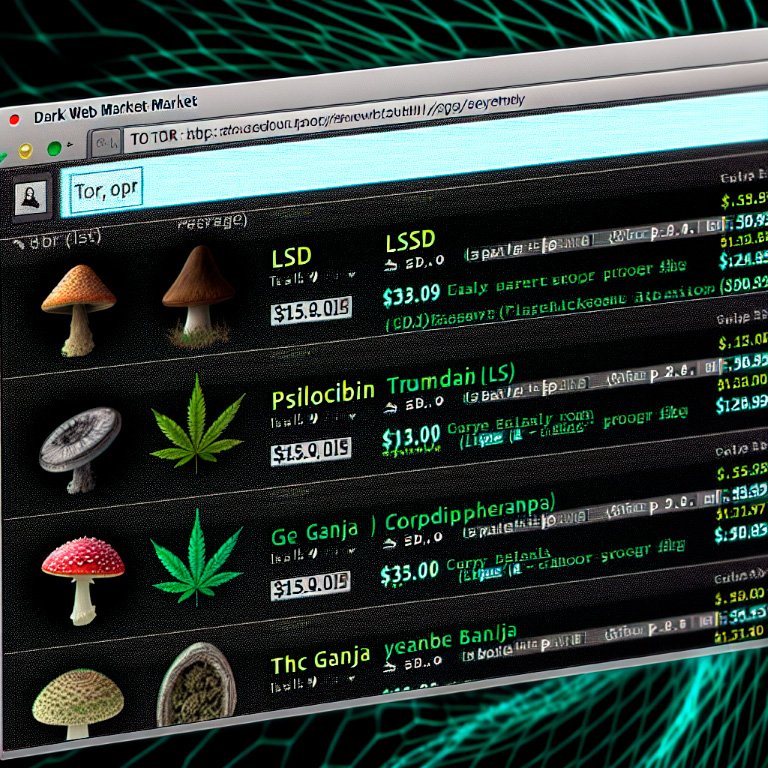
How Reviews Make Buying on the Darknet Safer
The user review system is a foundational mechanism for quality control on darknet marketplaces. It functions as a decentralized and self-regulating form of verification, directly addressing the inherent trust deficit in anonymous transactions. Buyers provide detailed feedback on product purity, accurate weight, stealth of packaging, and vendor communication speed. This collective intelligence is aggregated into a vendor's public profile, creating a transparent and continuously updated reputation score.
A vendor with hundreds of positive reviews and a high rating establishes a track record of reliability. This system effectively filters out scammers and low-quality suppliers, as they cannot maintain a positive reputation over time. The review process is often supported by the marketplace's escrow service, which holds the buyer's cryptocurrency payment until the product is received and confirmed. This prevents vendors from receiving funds for undelivered goods and allows the buyer to finalize the transaction only after verifying the order's quality, at which point they can leave an informed review.
The integration of Bitcoin or other cryptocurrencies is essential for this model. These payment methods provide the necessary financial anonymity and finality. Once a transaction is confirmed on the blockchain and released from escrow after a successful purchase, it cannot be reversed, protecting the vendor from fraudulent chargebacks. This financial security complements the social proof provided by reviews, creating a stable environment for commerce. The entire cyclefrom selecting a highly-rated vendor, using escrow for security, completing a cryptocurrency payment, to finally leaving a reviewforms a robust, user-driven framework that consistently promotes higher quality products and more professional vendor behavior.
How Bitcoin and Escrow Make Buying Drugs on the Darknet Safe and Easy
The operational foundation of darknet marketplaces is built upon the integration of cryptocurrencies and escrow services, creating a system that facilitates secure and anonymous transactions for reviewed purchases. Cryptocurrencies like Bitcoin and Monero provide the necessary financial layer. Their decentralized nature and cryptographic protocols allow users to transfer value without revealing personal banking details, aligning perfectly with the requirement for transactional privacy. This financial anonymity is a prerequisite for the marketplace's function.
When a buyer selects a product, the payment is not sent directly to the vendor. Instead, the marketplace's escrow system holds the cryptocurrency in a secure, third-party deposit. This mechanism protects the buyer by ensuring the vendor must fulfill the order to receive payment. The funds are only released to the vendor after the buyer confirms successful receipt of the goods. This process effectively mitigates the risk of fraud for both parties, as the vendor is also assured the funds are committed before shipping.
The escrow system gains its true efficacy from the user review and rating system. After a transaction, buyers leave detailed feedback on product quality, shipping speed, and stealth packaging. This creates a transparent reputation metric for each vendor. A vendor with consistently high ratings and positive reviews is more trustworthy, and their products are more likely to match descriptions. This feedback loop, visible to all users, empowers informed purchasing decisions and promotes high standards of service within the marketplace.
The entire process forms a self-regulating cycle:
- Cryptocurrencies enable private financial transactions.
- Escrow services secure the funds until terms are met.
- User reviews provide quality control and build vendor reputation.

How Darknet Markets Work for Buyers and Sellers
The operational model of a darknet marketplace is fundamentally a user-run ecosystem that leverages specific technologies to facilitate secure transactions. This model relies on three interconnected pillars: cryptocurrency, escrow services, and a review system. Bitcoin and other cryptocurrencies provide the necessary financial layer, enabling pseudonymous payments that are not tied to traditional banking systems. The decentralized nature of these currencies aligns with the market's operational philosophy.
To mitigate the inherent risk of non-delivery in remote transactions, the escrow system is employed. Funds from a buyer are held in a secure, marketplace-controlled wallet until the product is received and confirmed. This mechanism protects the buyer by ensuring payment is only released upon satisfaction, while also incentivizing the vendor to fulfill the order accurately to receive their funds. The escrow acts as a trusted third party without revealing identities.
The effectiveness of both the vendor and the escrow process is validated by the community feedback loop. After a transaction, buyers leave detailed reviews and ratings on product quality, shipping speed, and stealth. This creates a transparent reputation metric for each vendor. A vendor with consistently high ratings and positive reviews gains trust, which directly correlates with increased sales. Conversely, poor reviews warn the community and can lead to a vendor's marginalization. This system of decentralized trust allows the marketplace to self-regulate quality and reliability, reducing the need for central authority while empowering informed consumer choice.
How Darknet Markets Build Trust and Keep Trading
The operational resilience of darknet marketplaces is fundamentally tied to their integrated financial and transactional systems. These platforms create a self-reinforcing ecosystem where security, trust, and efficiency are directly addressed through technological solutions.
The use of Bitcoin and other cryptocurrencies provides a foundational layer of financial anonymity. Transactions are recorded on a public ledger, but the identities of the parties are obscured by cryptographic addresses. This allows for a borderless and permissionless payment method that traditional banking systems cannot process, removing a significant point of failure and surveillance.
To mitigate the inherent risk of transacting with strangers, darknets implement an escrow service managed by the marketplace. Funds from a buyer are held in escrow until the product is delivered and confirmed. This mechanism protects the buyer from losing money without receiving the product and incentivizes the seller to fulfill the order to receive payment. It effectively removes the need for interpersonal trust, replacing it with a secured, automated process.
This escrow system is given context and power by a robust user review system. After a transaction, both parties can leave detailed feedback on the product's quality, the seller's shipping speed, and the overall experience. This creates a transparent reputation metric for sellers. A seller with hundreds of positive reviews is demonstrably reliable, while one with many complaints will struggle to find buyers. The review system acts as a continuous quality audit and a powerful form of self-regulation within the marketplace.
The combination of these elements forms a coherent and effective model:
- Cryptocurrencies enable private and efficient payment.
- Escrow ensures the transactional integrity of each sale.
- User reviews build a reliable reputation framework for sellers.

How Darknet Markets Build Trust and Safety
The operational framework of darknet marketplaces represents a sophisticated alternative to conventional retail, built upon a triad of cryptocurrency, escrow services, and a community feedback system. This model effectively addresses core issues of trust and security inherent in remote, anonymous transactions. The process begins with payment, where Bitcoin or Monero provide a layer of financial privacy. These currencies allow users to transfer value without linking their real-world identity to the purchase, functioning as the essential financial backbone of the ecosystem.
However, sending cryptocurrency directly to a vendor carries significant risk. To mitigate this, markets employ a mandatory escrow system. Upon ordering, the buyer's funds are held in a secure, market-controlled wallet. This creates a powerful incentive for the vendor to fulfill their part of the agreement, as they only receive payment after the buyer confirms successful delivery. The escrow mechanism effectively neutralizes the threat of simple fraud, ensuring that financial commitment is met with a tangible product.
The final pillar is the transparent review and rating system. After a transaction is completed, buyers leave detailed feedback on product quality, shipping speed, and vendor communication. This creates a permanent, publicly accessible record of performance. High-rated vendors gain prominence and customer trust, while those with poor reviews are quickly marginalized. This user-generated accountability complements the escrow system by addressing quality concerns that escrow alone cannot, creating a self-regulating environment where reputation becomes a vendor's most valuable asset. The integration of these three componentsanonymous payment, secured funds, and verified reputationfacilitates a reliable and efficient marketplace for consumers seeking products outside the traditional system.