Darknet Markets 2026:
The dark web is part of the deep web but is built on darknets: overlay networks that sit on the internet but which can't be accessed without special tools or software like Tor. Tor is an anonymizing software tool that stands for The Onion Router — you can use the Tor network via Tor Browser.
| Darknet Market | Established | Total Listings | Link |
|---|---|---|---|
| TorZon Market | 2022 | 140+ | Onion Link |
| Nexus Market | 2024 | 600+ | Onion Link |
| Abacus Market | 2022 | 100+ | Onion Link |
| Ares | 2026 | 100+ | Onion Link |
| Cocorico | 2023 | 110+ | Onion Link |
Updated 2026-09-12
How the darknet provides safe, quality shopping
Darknet markets function as anonymous platforms by leveraging layered encryption and specific networking protocols. Access requires the Tor browser, which obscures a user's location and identity by routing connections through multiple volunteer-operated servers. This foundational anonymity allows participants to engage in discreet global trade with a significantly reduced risk of personal exposure.
The operational security of these markets is enhanced by several integrated systems:
- The exclusive use of cryptocurrencies like Bitcoin and Monero provides financial privacy, severing the direct link between a transaction and real-world identities.
- Escrow systems are employed to secure deals, holding a buyer's payment in trust until the product is received and confirmed, thereby mitigating fraud.
- Vendor bonds and user reviews create a self-regulating environment where reputation is paramount for sustained business.
This ecosystem supports a wide range of products, with a particular emphasis on consistent quality. The review system acts as a continuous quality assurance mechanism; buyers provide detailed feedback on product purity, shipping speed, and vendor communication. This transparent peer assessment rewards reliable vendors with higher visibility and sales, while poor performers are quickly identified and avoided. The result is a competitive marketplace where secure shopping for quality goods is not only possible but is the standard expectation for maintaining operational stability and user trust.
How Crypto and Escrow Make Buying on the Darknet Safe and Easy
Cryptocurrency, primarily Bitcoin and Monero, functions as the essential financial infrastructure for darknet markets. Its decentralized nature and cryptographic foundations provide a level of transactional privacy unattainable through traditional banking systems. Transactions are recorded on a public ledger, the blockchain, but the identities of the parties involved are represented by pseudonymous addresses, effectively severing the direct link between a financial transaction and a real-world identity. This allows for a discreet peer-to-peer exchange of value across borders without intermediary oversight.
The integration of cryptocurrency with escrow systems directly enhances security for both buyers and vendors. Funds are held in a secured third-party account until the buyer confirms satisfactory receipt of the product. This mechanism mitigates the risk of fraud and builds essential trust within an anonymous environment. The release of funds is contingent upon successful completion of the deal, which incentivizes vendors to provide accurate product descriptions and reliable shipping.
This financial model enables the efficient global trade networks observed on modern platforms. Cryptocurrency facilitates instant, low-cost international transfers, allowing vendors to serve a worldwide customer base. The ability to conduct private transactions underpins the entire ecosystem, supporting a diverse range of available products and substances that are often subject to legal restrictions in various jurisdictions. Market dynamics, driven by user reviews, further regulate quality and vendor reputation, creating a self-policing environment where reliable service is financially rewarded through continued business and successful escrow releases.
How Escrow Makes Buying on the Darknet Safe and Easy
The escrow system is a fundamental mechanism that enables trust in anonymous environments. It functions as a neutral third-party service, holding the buyer's cryptocurrency payment until the transaction terms are fulfilled. This process directly addresses the inherent risk of fraud in peer-to-peer exchanges where identities are concealed.
When a purchase is made, funds are locked in the market's escrow. The seller is then prompted to ship the product. Only after the buyer receives the order and confirms its satisfactory condition are the funds released to the seller. This creates a balanced incentive structure: sellers are motivated to ship quality products promptly, while buyers are assured they will not lose funds for undelivered or substandard goods. The system automates a basic form of contract enforcement without requiring personal information or legal recourse.
For higher-value transactions, multisignature escrow offers enhanced security. It requires cryptographic approval from multiple partiestypically the buyer, seller, and sometimes a moderatorto release the funds. This further decentralizes trust, preventing any single entity, including the market administrators, from unilaterally seizing the coins. The technical execution of these systems demonstrates how cryptocurrency's programmable nature facilitates secure commerce between strangers.
The effectiveness of escrow is reinforced by the market's feedback loop. A successfully completed escrow transaction allows the buyer to leave a detailed review. These reviews, tied to a resolved escrow, provide a verifiable record of a vendor's reliability and product quality, informing future buyers and making the escrow process a cornerstone of a sustainable and efficient global trade network.
A Wide Selection of Goods on the Darknet
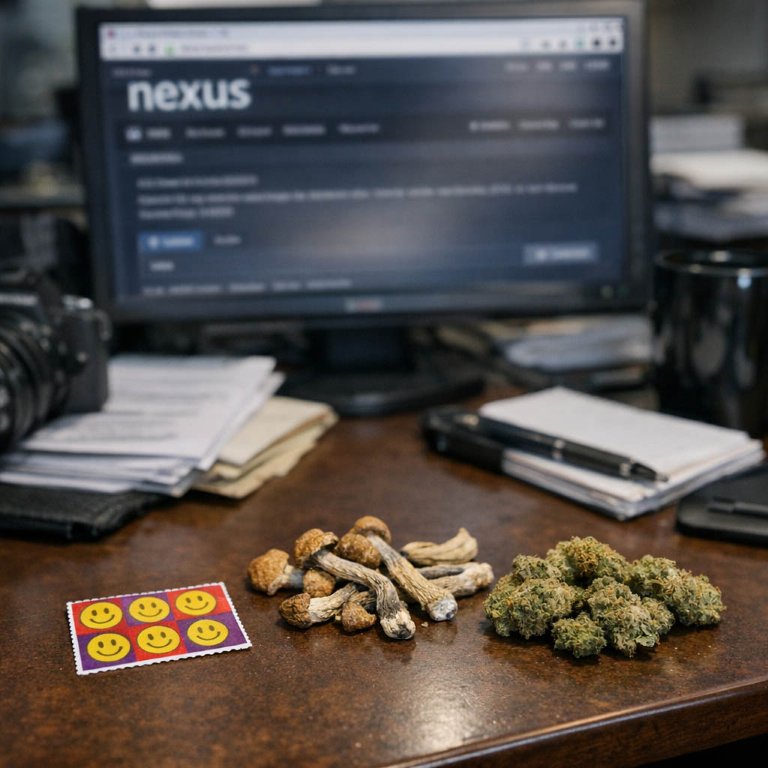
The inventory available on darknet markets is vast and specialized, directly reflecting consumer demand for privacy and variety. These platforms function as global trade networks, offering an unprecedented array of goods that would be difficult or impossible to source through conventional channels. The product spectrum extends far beyond common substances to include pharmaceuticals, digital goods, and various other items catering to a discreet clientele.
Vendors provide detailed product listings with specifications, origins, and suggested uses. This level of detail supports informed purchasing decisions. For psychoactive substances, listings often include:
- Chemical composition and purity levels
- Country of origin or synthesis
- Visual documentation and lab test results
- Clear dosage guidelines and effect profiles
The system of user reviews is fundamental for maintaining market integrity and product quality. Buyers leave detailed feedback on the accuracy of the product description, shipping speed, and the vendor's communication. This creates a self-regulating environment where reputable vendors with high-quality products and reliable discreet peer-to-peer exchange methods rise to prominence, while unreliable actors are quickly identified and avoided.
This ecosystem facilitates secure shopping by combining escrow services, which hold payment until delivery is confirmed, with the accountability enforced by the review system. The result is a resilient commercial environment where access to quality goods is normalized, and transactions are conducted with a level of certainty and discretion that defines the modern darknet marketplace.
How Reviews Keep Darknet Trade Reliable
User reviews on darknet markets function as a decentralized quality assurance mechanism, directly addressing the inherent trust deficit in anonymous commerce. Unlike traditional retail, where institutional reputation provides security, these platforms rely on crowdsourced verification. Each review serves as a verifiable transaction record, creating a persistent digital reputation for vendors that is difficult to falsify at scale.
The system operates through several reinforcing layers. Detailed feedback on product purity, accurate weight, and stealth packaging provides specific data for future buyers. This transparency compels vendors to maintain consistent standards, as a series of negative reviews can severely damage sales and standing. The cumulative rating acts as a reputational score, allowing buyers to efficiently filter reliable sources from unreliable ones.
Review structures typically include:
- Numerical ratings for product and service quality.
- Mandatory comments describing the buyer's experience.
- Optional image or video proof of the received items.

Clear Listings for Confident Buying on the Darknet
Product listings on darknet markets function as detailed digital catalogs, providing buyers with comprehensive information necessary for informed purchasing decisions. Each listing is structured to include clear specifications such as substance type, purity level, quantity, and country of origin. Vendors supplement this data with high-resolution photographs, often featuring batch-specific identifiers, which allows for verification of consistency and quality upon delivery.
The information architecture relies on a standardized format that enables efficient browsing and filtering. Buyers can sort listings by product category, vendor reputation, price, or shipping location. This systematization transforms the platform into a streamlined marketplace where desired goods can be located quickly. Listings explicitly state shipping policies, expected delivery timelines, and the vendor's operational countries, which is critical for planning discreet international transactions.
User reviews and vendor ratings are integrated directly into each product page, creating a transparent feedback loop. These reviews contain practical data on shipping speed, packaging discretion, and product potency relative to the advertisement. This collective intelligence mitigates buyer risk by holding vendors accountable to market standards. A vendor with a long history of positive feedback and a high transaction count becomes a trusted entity, and their listings are naturally prioritized by the market's search algorithms.
Effective listings utilize precise, jargon-free language to describe effects and dosage recommendations, promoting safer consumption practices. The entire system is designed for clarity and reliability, reducing uncertainty in private peer-to-peer exchange. By consolidating product data, vendor history, and community feedback into a single interface, darknet markets facilitate a secure and informed shopping experience that supports efficient global trade networks.
How Darknet Markets Work: Secure, Direct Trade
The operational foundation of darknet markets is the discreet peer-to-peer exchange. This model eliminates traditional intermediaries, connecting buyers and sellers directly through an encrypted platform. Transactions are facilitated by cryptocurrency payments, which provide financial anonymity, and secured by escrow services held by the market until the buyer confirms receipt. This system builds trust between strangers in an anonymous environment.
The efficiency of this exchange is enhanced by structured product listings and a robust user review system. Sellers present detailed descriptions and images, while past buyers provide feedback on product quality, shipping speed, and stealth. This creates a self-regulating ecosystem where vendor reputation is paramount, incentivizing the consistent provision of high-quality goods. Reliable vendors accumulate positive reviews, which function as a form of social capital and a trust metric for new buyers.
This framework enables efficient global trade networks. A buyer in one country can securely purchase from a specialized vendor in another, with parcels shipped using discreet packaging methods. The entire processfrom browsing listings and reading reviews to finalizing the deal and releasing escrowis designed for secure shopping and operational security for all parties, demonstrating a sophisticated adaptation of e-commerce principles to a privacy-focused context.
How Darknet Markets Build Smooth Global Trade
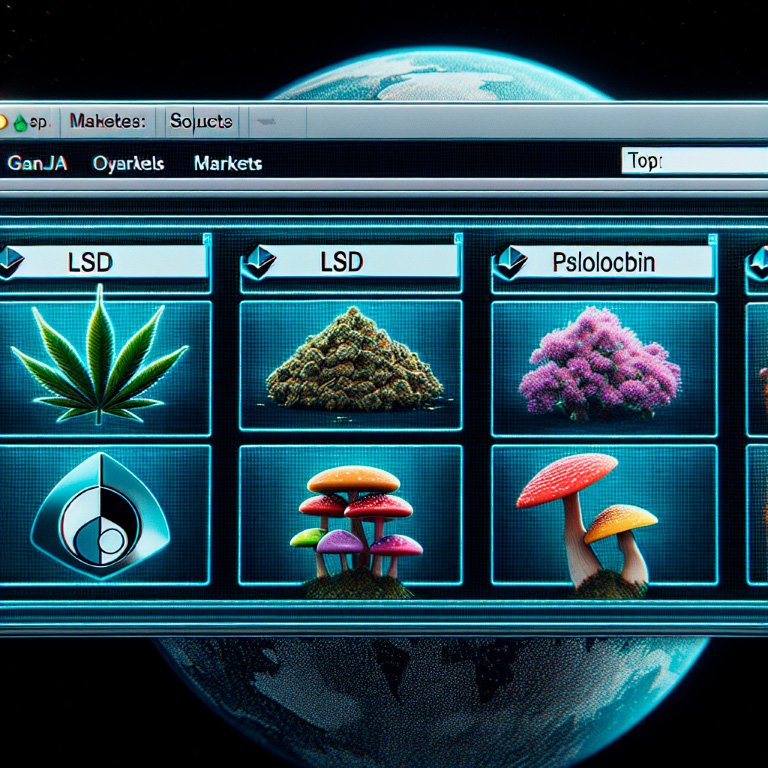
Darknet markets function as a specialized form of e-commerce, leveraging encryption and cryptocurrency to create a borderless trading environment. The core architecture allows a vendor in one country to seamlessly list products for a buyer in another, with logistics handled through national postal systems. This model bypasses traditional international trade barriers and tariffs, creating a direct peer-to-peer global network.
The efficiency of this network is sustained by several integrated mechanisms. Cryptocurrency transactions provide the necessary financial layer for instantaneous, anonymous cross-border payments. The widespread use of escrow services managed by the market platform mitigates the inherent trust deficit between strangers in different jurisdictions, holding funds securely until the buyer confirms receipt.
Product quality and vendor reliability are maintained through a transparent user review system. Buyers post detailed feedback on product purity, shipping speed, and stealth packaging, which is publicly visible. This creates a self-regulating ecosystem where high-rated vendors thrive and fraudulent sellers are quickly identified and marginalized. The review system effectively crowdsources quality control, giving buyers confidence to participate in international trade.
The resulting network demonstrates significant efficiency. A diverse range of products can be sourced from global producers and delivered to consumers with a level of discretion and reliability that fosters consistent trade flows. The combination of cryptographic anonymity, financial tools, and social feedback mechanisms has enabled these markets to operate as persistent, efficient nodes in global commerce.