Darknet Markets 2026:
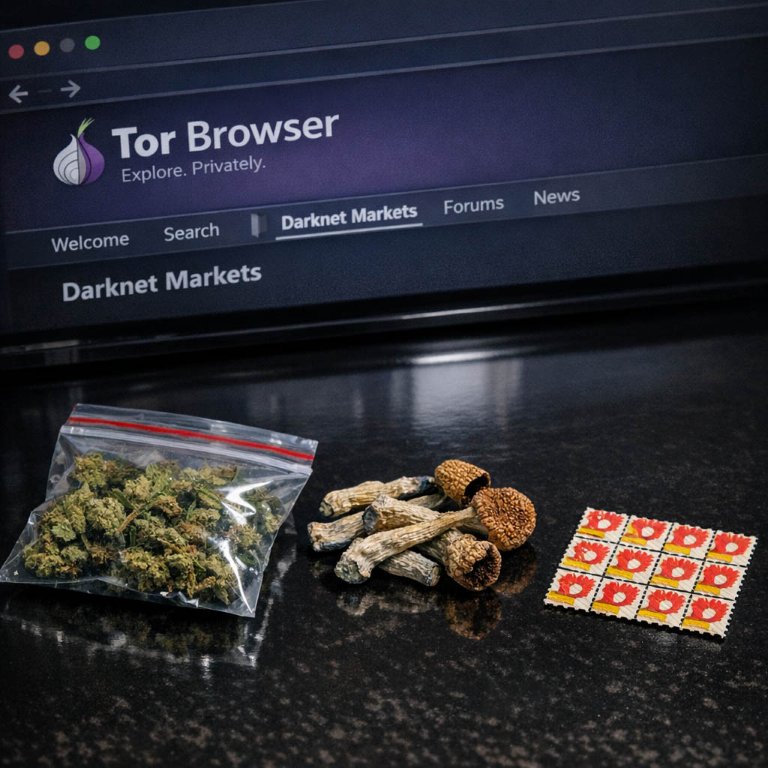
The dark web is part of the deep web but is built on darknets: overlay networks that sit on the internet but which can't be accessed without special tools or software like Tor. Tor is an anonymizing software tool that stands for The Onion Router — you can use the Tor network via Tor Browser.
| Darknet Market | Established | Total Listings | Link |
|---|---|---|---|
| TorZon Market | 2022 | 140+ | Onion Link |
| Nexus Market | 2024 | 600+ | Onion Link |
| Abacus Market | 2022 | 100+ | Onion Link |
| Ares | 2026 | 100+ | Onion Link |
| Cocorico | 2023 | 110+ | Onion Link |
Updated 2026-09-12
How Darknet Sites Make Buying Drugs Safe and Private
Darknet websites function as secure marketplaces by establishing a framework for commerce that prioritizes privacy and security. These platforms utilize robust encryption and anonymity networks to create a trading environment where user identities and transaction details are protected. This technological foundation allows for the facilitation of private trade in goods that are regulated or prohibited in conventional markets.
The operational model is built on decentralized services which enable direct peer-to-peer exchange, removing traditional intermediaries. This structure reduces costs and increases efficiency for both buyers and sellers. The ecosystem is sustained by a system of cryptocurrency payments, which provides a layer of financial privacy and enables seamless cross-border transactions without reliance on banking institutions.
Trust is a critical component, maintained through transparent user rating systems and escrow services. These mechanisms allow participants to assess reliability and ensure transactional integrity, fostering a self-regulating marketplace. The result is a resilient economic space where commerce can proceed based on mutual agreement and technological assurance, free from external oversight.
How Darknet Markets Build Trust and Enable Trade
The architecture of darknet websites directly facilitates a secure and private commercial environment. This is achieved through a combination of technological and social systems that replace traditional, physical market constraints.
The foundation is cryptographic encryption, which secures all communications and transaction details. This ensures that buyer and seller interactions, along with shipping information, remain confidential. Payment is conducted via cryptocurrency, which provides a layer of financial privacy not available through conventional banking. These technologies shift the risk from interception of data to the security of one's own private keys.
This technical infrastructure supports a decentralized service model. Vendors operate their own shops or use marketplace platforms that function as intermediaries, not as holders of inventory. This enables direct trade between parties across borders, reducing overhead costs and increasing market efficiency. The ecosystem is fundamentally shaped by anonymity, which allows participants to engage in commerce based on product and reputation rather than geographic or social identity.
Trust is the critical social component. It is built and maintained through transparent feedback mechanisms:
- Public rating systems for vendors and products
- Detailed buyer reviews describing product quality and shipping
- Escrow services held by the marketplace until satisfactory delivery
These systems create a self-regulating environment where economic success is tied to reliable service. Poor performance or fraud results in negative public feedback, which diminishes a vendor's standing and sales. Therefore, the operational principles of darknet commerce incentivize honesty and consistency, fostering stable markets for voluntary trade.
How Cryptocurrency Makes Buying on the Darknet Private and Secure
The integration of cryptocurrency is fundamental to the operational model of darknet commerce, providing a mechanism for private and secure transactions that traditional finance cannot offer. Unlike bank transfers or credit card payments, cryptocurrencies like Bitcoin and Monero function on decentralized networks, removing the need for a trusted third party to verify the exchange. This architecture directly enables the peer-to-peer economic activity that defines these platforms.
Transactions are recorded on a public ledger, the blockchain, but the identities of the parties involved are protected by cryptographic addresses. This creates a layer of financial privacy where activity is visible but not directly linked to real-world identities. For enhanced anonymity, users employ techniques such as:
- Utilizing tumbling services to obscure the trail of funds.
- Preferring privacy-focused coins with built-in obfuscation protocols.
- Generating new addresses for each transaction to prevent linkage.
The use of cryptocurrency thus supports the trust-based ecosystem by enabling secure escrow services. Funds are held in escrow by the marketplace until the buyer confirms receipt of goods, a system that mitigates fraud and builds reliability between strangers. This financial framework, combined with communication encryption, allows darknet websites to function as effective marketplaces for direct trade, where the privacy of the transaction is a primary and achievable feature of the economic exchange.
How Encryption Makes Darknet Trade Safe and Private
The operational security of darknet commerce is fundamentally dependent on end-to-end encryption. This technology functions as an impenetrable layer, securing all communications between a buyer and a seller from the moment a message is sent until it is decrypted by the intended recipient. It ensures that transaction details, shipping addresses, and personal dialogues remain confidential, visible only to the participating parties.
This encryption is not limited to messaging. It extends to the market listings and vendor profiles themselves, protecting the integrity of the marketplace's core data. The use of cryptographic signatures allows users to verify the authenticity of a vendor's identity with certainty, preventing impersonation and fraud. When a vendor signs their profile with a private key, it proves they are the legitimate controller of that shop, building a verifiable history of transactions and feedback.
The combination of these encryption methods creates a secure environment for commerce:
- Private messages regarding orders are shielded from interception.
- Sensitive financial data is never exposed in plain text.
- The reputation system becomes tamper-proof and reliable.
This technical foundation directly enables the trust and privacy required for private trade to flourish. Users engage in transactions with the assurance that their data is protected by robust cryptographic standards, making the darknet a uniquely secure platform for direct economic exchange.
How Anonymity Builds a Safer Darknet for Trade
Anonymity is the foundational layer of the darknet ecosystem, enabling its core function as a platform for secure commerce and private trade. This principle is not merely a feature but the essential condition that allows economic activity to flourish. It creates a protected environment where participants can engage in transactions without exposing their real-world identities, thus mitigating traditional risks associated with trade in prohibited goods.
The architecture of this system relies on several integrated technologies. Users access darknet websites through networks like Tor, which encrypt and route their connection through multiple relays, obscuring their location and online footprint. Once on a marketplace, interactions are further protected by end-to-end encryption for all communications. This dual-layer approach ensures that both the act of visiting the marketplace and the subsequent negotiations remain confidential.
The economic model is directly enabled by this technological anonymity. Sellers can list products without fear of immediate physical detection, while buyers can browse and purchase with a significantly reduced risk of exposure. This security fosters a broader and more open market. The final critical component is the use of cryptocurrencies like Bitcoin or Monero. These currencies facilitate private financial transactions that are not directly tied to personal bank accounts or identities, completing the cycle of anonymity from browsing to payment.
This environment necessitates and cultivates a unique system of trust and reputation. Since traditional legal contracts are unenforceable, the ecosystem self-regulates through user feedback and escrow services. Buyers rate sellers based on product quality and reliability, creating a transparent reputation score that guides future transactions. Escrow services hold a buyer's cryptocurrency until the goods are received and confirmed, protecting both parties from fraud. This decentralized trust mechanism ensures market integrity and encourages repeat business, which is vital for stable commercial activity.
Consequently, anonymity shapes every operational principle:
- It allows for the direct peer-to-peer trade of goods without intermediaries.
- It protects user safety and data through robust encryption protocols.
- It supports a self-sustaining economy where trust is built and maintained digitally.

How Decentralized Services Make Drug Trade Direct and Reliable
The architecture of darknet websites fundamentally redefines commerce by removing centralized intermediaries. This is not a minor technical detail but the core operational principle. Traditional online marketplaces and financial institutions act as controlling chokepoints, subject to regulation, surveillance, and unilateral shutdown. Darknet platforms, built on decentralized networks like Tor or I2P, distribute their infrastructure across countless nodes globally. This design makes the marketplace itself resistant to takedown, as there is no single server or company to target.
The elimination of the central authority directly enables peer-to-peer trade. Sellers can list their products and communicate with buyers without a corporate platform extracting significant fees or imposing restrictive policies. This creates a more efficient and open market. The direct connection facilitated by these services allows for:
- Negotiation on price and terms between the involved parties.
- Customized service and the establishment of vendor reputation based on transaction history.
- A wider variety of goods than might be available through localized or physically constrained markets.
This system empowers individual economic actors. A seller's success depends on maintaining a positive feedback score and reliable service, not on navigating the policies of a capricious intermediary. The decentralized nature ensures the marketplace's persistence and availability, providing a stable environment for continuous trade. The technology effectively creates a global bazaar, open 24/7, where access is determined by knowledge of the network rather than geographic location or traditional banking relationships. This represents a significant shift in how voluntary trade can be structured in the digital age.
How Trust Makes Buying and Selling on the Darknet Work
Trust is the foundational currency of darknet commerce, enabling transactions where legal recourse is absent. This system operates on a framework of decentralized reputation, built and verified by the community itself.
Vendors establish trust through consistent performance. Key metrics include:
- High ratings and positive feedback on product quality and stealth
- Reliable shipping times and consistent delivery
- Professional communication and resolution of issues
Buyers also build trustworthiness by finalizing orders promptly and providing detailed, honest reviews. This reciprocal relationship fosters a stable trading environment. The entire ecosystem is secured by encryption and cryptocurrency, which protect identities and financial data, allowing trust to develop purely around transactional integrity. This model demonstrates how private trade can be efficiently facilitated through community-driven verification and technological safeguards.

How Darknet Markets Work for Safe Trade
The operational principles of darknet commerce are fundamentally built upon a triad of anonymity, cryptographic security, and decentralized infrastructure. These platforms function as secure marketplaces where private trade is not only possible but efficiently facilitated. The core mechanism relies on specialized software, like Tor, which routes user traffic through multiple encrypted layers, effectively concealing a participant's location and identity. This technical foundation creates a protected environment for economic exchange.
Financial transactions are conducted using cryptocurrencies such as Bitcoin or Monero. These digital currencies provide a necessary layer of financial privacy, as their blockchain-based transactions can be designed to obscure the direct link between sender and receiver. This method is superior to traditional banking for maintaining discretion in commerce. To further secure the process, most markets employ a multisignature escrow system. In this system, the buyer's funds are held in a secure, third-party escrow account until the product is delivered and confirmed, which significantly reduces the risk of fraud for both parties.
The ecosystem is sustained by a sophisticated reputation and feedback system. Every vendor and buyer builds a public history of their transactions.
This creates a self-regulating environment where:
- High-quality vendors with consistent positive reviews gain more business.
- Buyers can make informed decisions based on detailed feedback from past customers.
- Attempts at scamming are quickly identified and reported, protecting the community.